In our increasingly digital world, electronic devices have become ubiquitous. From smartphones to laptops, we rely on these devices for communication, work, and entertainment. However, with the rapid advancement of technology, the lifecycle of electronic devices has shortened, leading to a significant increase in electronic waste, or e-waste.
E-waste is a complex mixture of materials that can pose serious environmental and health risks if not managed properly. To address these concerns, governments around the world have implemented regulations to manage the disposal and recycling of e-waste. In this article, we will explore the regulatory landscape of e-waste disposal, focusing on key regulations and their implications for businesses and consumers.
E-waste contains a variety of toxic substances, including lead, mercury, cadmium, and brominated flame retardants. When improperly disposed of, these substances can leach into the soil and water, contaminating the environment and posing serious health risks to humans and wildlife.
Regulating the disposal of e-waste is essential to protect the environment and human health. By implementing proper recycling and disposal practices, we can reduce the environmental impact of e-waste and ensure that valuable resources are recovered and reused.
Many countries have recognized the importance of managing e-waste and have implemented regulations to address the issue. In the European Union, the Waste Electrical and Electronic Equipment (WEEE) Directive sets collection, recycling, and recovery targets for e-waste.
In the United States, the Resource Conservation and Recovery Act (RCRA) governs the disposal of hazardous waste, including e-waste. Additionally, many states have their own e-waste recycling laws that impose additional requirements on manufacturers and consumers.
India is one of the largest producers of e-waste in the world, generating over 2 million tonnes of e-waste annually. To address this issue, the Government of India has introduced the E-Waste (Management) Rules, 2016. These rules impose obligations on producers, consumers, and recyclers of e-waste to ensure its environmentally sound management.
Under the E-Waste Rules, producers are required to take back e-waste generated from their products and ensure its proper recycling and disposal. Consumers are encouraged to deposit their e-waste with authorized collection centers.
While e-waste regulations are essential for managing the environmental impact of electronic waste, they also pose challenges for businesses and consumers. Compliance with e-waste regulations can be costly, especially for small businesses. Additionally, the lack of awareness among consumers about the proper disposal of e-waste remains a significant challenge.
However, e-waste regulations also present opportunities for businesses. By adopting sustainable practices for the disposal and recycling of e-waste, businesses can not only comply with regulations but also enhance their reputation and contribute to environmental sustainability.
E-waste disposal regulations play a crucial role in managing the environmental and health risks associated with electronic waste. By implementing proper recycling and disposal practices, we can reduce the impact of e-waste on the environment and ensure the sustainable use of our natural resources. It is essential for businesses and consumers to be aware of and comply with e-waste regulations to protect our planet for future generations.
The regulations for e-waste disposal vary by location. It's important to check with your local authorities or environmental agency for specific guidelines.
To dispose of e-waste responsibly, consider recycling options. Many electronics retailers and recycling centers offer e-waste recycling programs.
Improper e-waste disposal can lead to environmental pollution due to the release of toxic substances into the soil and water. It can also contribute to health risks for humans and wildlife.
You can call us at +91-7021162566 Discover top Office scrap buyers and dealers near you! Access our Scrap Price List today by reaching out to our customer care team. Our services states Are
| Office scrap dealer in Maharashtra | Office scrap dealer in Tamil Nadu | Office scrap dealer in Karnataka |
| Office scrap dealer in Uttar Pradesh | Office scrap dealer in Telangana | Office scrap dealer in Haryana |
| Office scrap dealer in Andhra Pradesh | Office scrap dealer in West Bengal | Office scrap dealer in Delhi |
| Office scrap dealer in Rajasthan | Office scrap dealer in Madhya Pradesh | Office scrap dealer in Odisha |
| Office scrap dealer in Chhattisgarh | Office scrap dealer in Assam | Office scrap dealer in Jharkhand |
| Office scrap dealer in Himachal Pradesh | Office scrap dealer in Goa | Office scrap dealer in Jammu and Kashmir |
| Office scrap dealer in Puducherry | Office scrap dealer in Sikkim | Office scrap dealer in Nagaland |
| Office scrap dealer in Meghalaya | Office scrap dealer in Mizoram | Office scrap buyer in Maharashtra |
| Office scrap buyer in Karnataka | Office scrap buyer in Gujarat | Office scrap buyer in Uttar Pradesh |
| Office scrap dealer in Bihar | Office scrap buyer in Telangana | Office scrap buyer in Tamil Nadu |
| Office scrap dealer in Chandigarh | Office scrap dealer in Manipur | Office scrap dealer in Uttarakhand |
| Office scrap dealer in Kerala | Office scrap dealer in Punjab | Office scrap dealer in Gujarat |
E-waste scrap buyers and dealers specialize in collecting, processing, and recycling electronic waste, ensuring proper disposal and recovery of valuable materials, contributing to environmental sustainability.
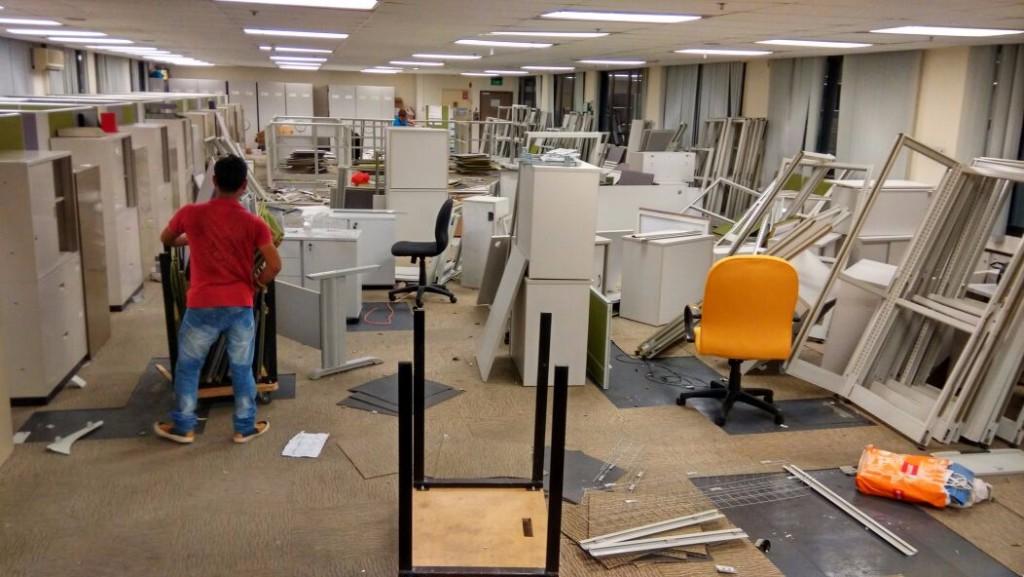
Efficient Workspace Evolution: Seamless Office Dismantling Services for a Productive Tomorrow
Read More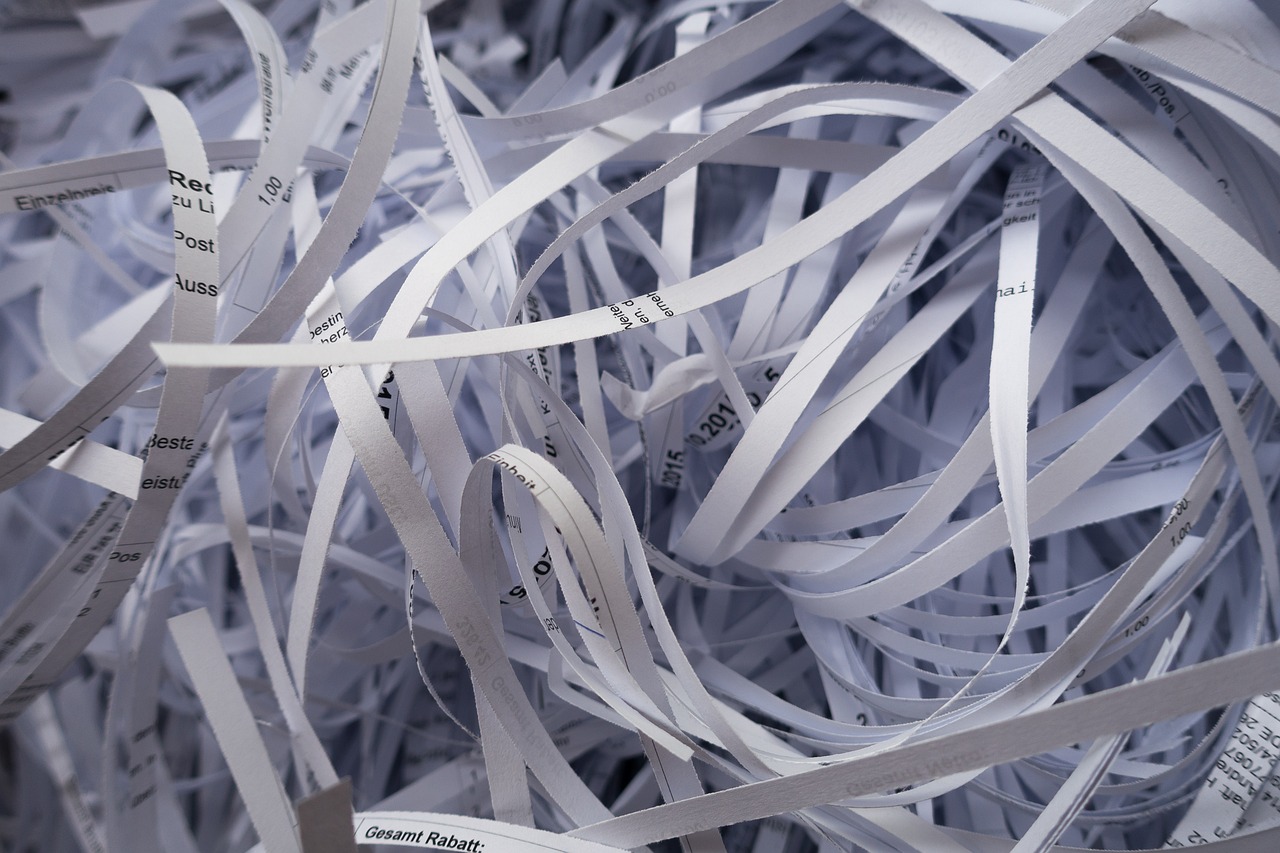
Secure Shredding Solutions: Safeguarding Your Confidential Documents with Precision and Trust
Read More
Dual Dynamics: Demolition and Scrap Solutions for Sustainable Development
Read More



.jpg)